The right vehicle is not the biggest one. It is the one that fits your passengers, luggage, route and comfort needs without wasting space or budget. This guide explains the questions we ask before recommending a category.
Start with the real passenger count
Count everyone who will travel, including children. A vehicle that seats four adults may feel very different after a child seat, a guide or a colleague joins the trip.
If you are travelling as a group, remember that luggage often takes more space than people expect. A full passenger load can leave surprisingly little room for bags.
Be honest about luggage
Tell us the number of bags and their approximate size, not just the number of passengers. Large suitcases, camera bags, trekking packs and child equipment all change the vehicle you need.
A sedan may be perfect for two travellers with cabin bags and tight for four travellers with large suitcases. It is better to discuss this before arrival than to discover it at the airport.
Match the vehicle to the route
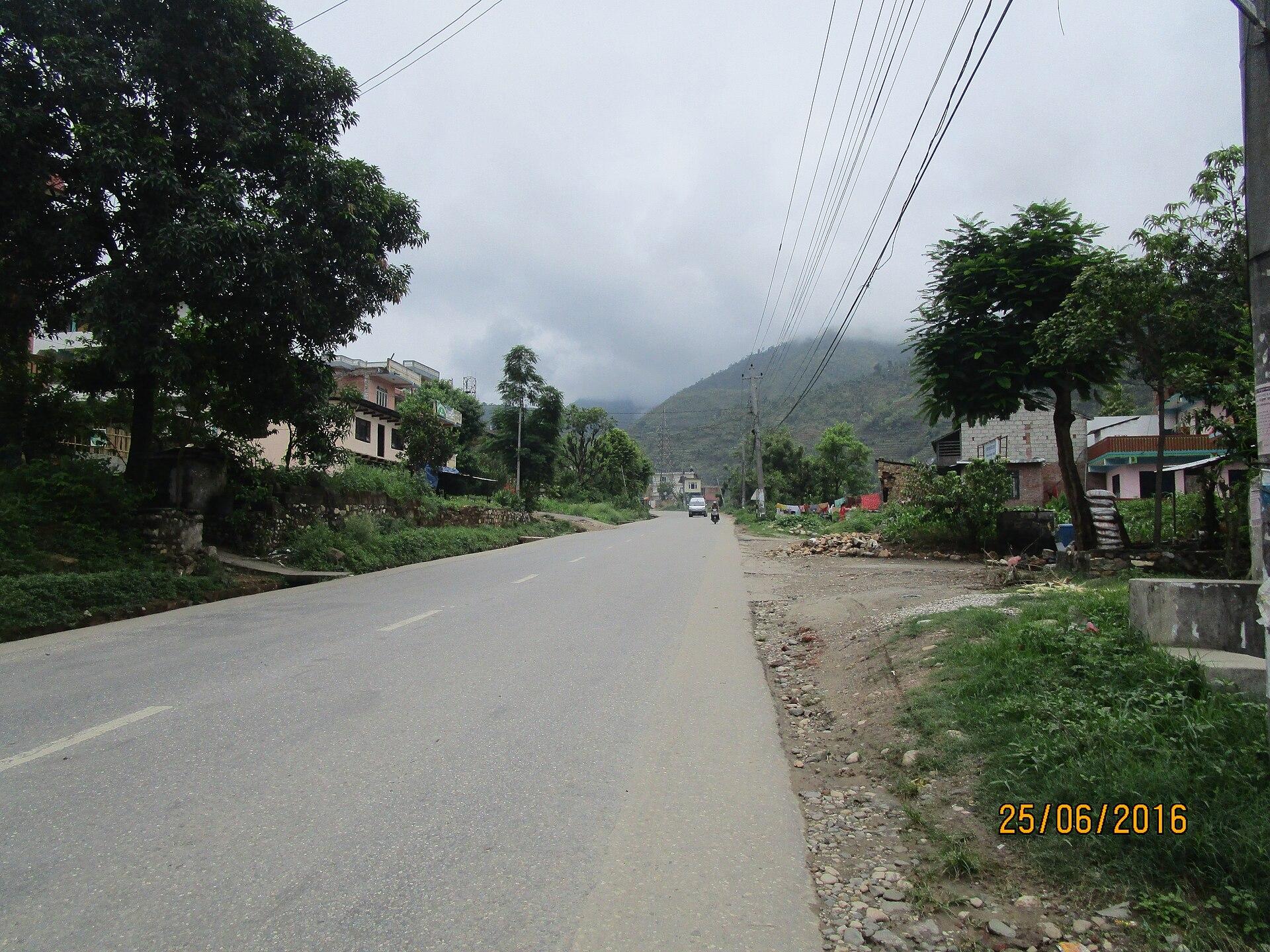
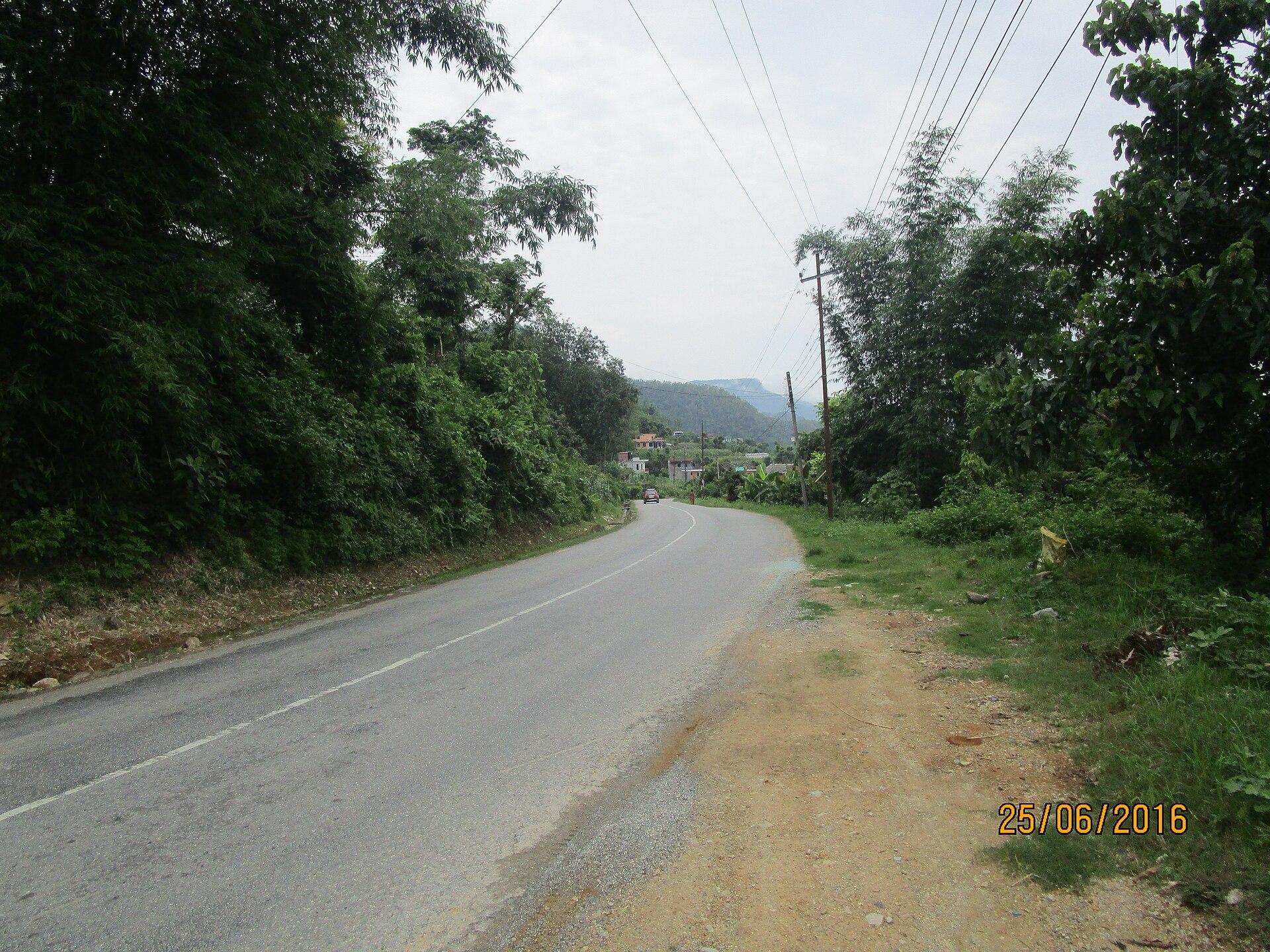
City travel in Kathmandu rewards a compact, comfortable vehicle. Long intercity journeys and mountain routes may call for more space, better ground clearance and a vehicle suited to the season.
Road conditions change. A route that is straightforward in one season can be slower or rougher in another, so the vehicle recommendation should reflect when you are travelling.
- City days and short transfers: a sedan or hatchback is often sufficient.
- Families and longer routes: an SUV may be more comfortable.
- Special occasions: a premium vehicle can be appropriate if available.
- EV interest: plan around charging and realistic daily distances.
Think about comfort, not just capacity
On a long drive, seat comfort, air conditioning, legroom and luggage access matter. The cheapest category is not always the best value if it makes a full day on the road uncomfortable.
If you have mobility needs, tell us early. Accessible vehicles and equipment are not something we can assume are available without checking.
Ask what is actually included
A quotation should be clear about the vehicle, driver, fuel, waiting time, overnight arrangements, taxes and any exclusions. Ask before you confirm if something is unclear.
We confirm vehicle availability rather than publishing a live inventory. That is intentional: a category on a website does not guarantee a specific model on a specific date.
When to ask for advice
If you are unsure, send us the route, dates, passenger count and luggage. We will recommend a category and explain the trade-offs. We would rather tell you that a vehicle is not suitable than have you discover it on the road.
Need help applying this to your trip?
Send your dates, route, passenger count and luggage. We will recommend a vehicle category and explain the trade-offs before you commit to anything.
Questions from this guide
Short answers to the points readers ask about most often.
Is an SUV always better in Nepal?
No. An SUV is useful for rough roads, mountain routes and more luggage, but a sedan can be more comfortable and practical for city travel. The right choice depends on your itinerary.
How much luggage can a sedan carry?
It varies by vehicle and bag size. As a guide, a sedan usually suits two to three medium bags. Send us the exact count and we will confirm.
Can you provide a vehicle with more than five seats?
Larger vehicles may be available on request, depending on the group size and route. Share the passenger count and luggage so we can confirm a suitable option.
Sources and further reading
These links are provided for official or reference information. Details can change, so check them before you travel.
- Nepal Tourism Board
Official travel and destination information for Nepal.
- Department of Roads, Nepal
Road network information and updates.